
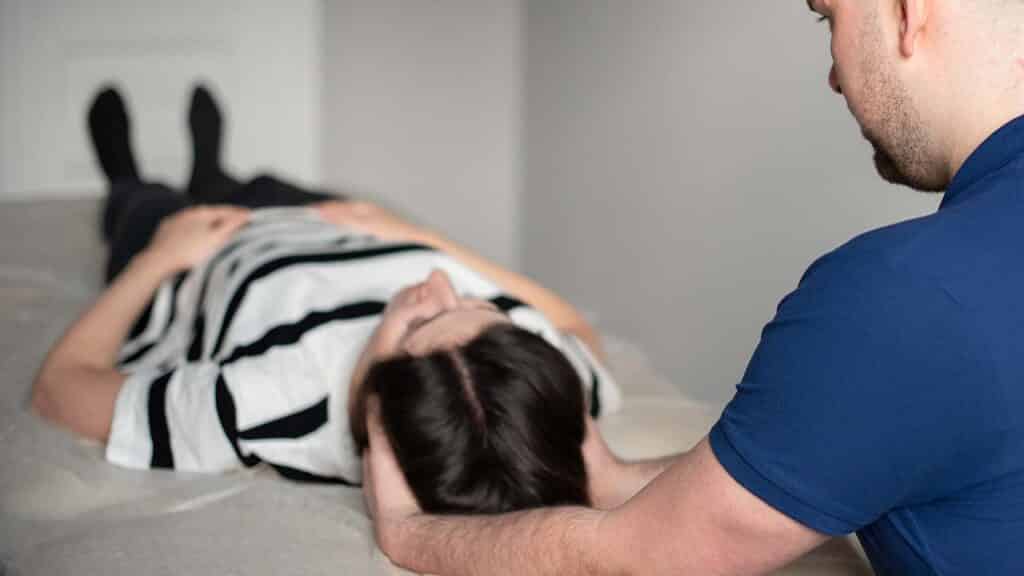
Osteopathy is a highly effective method used to combat stress and anxiety disorders through specialized manual and pressure techniques that provide rapid relief and lead to significant long-term improvement. Physical tension is often deeply rooted in emotional trauma, chronic stress, accidents, injuries, or depression, and osteopathy works by restoring the body’s natural balance to eliminate persistent physical and psychological discomfort.
Anxiety disorders are a defining challenge of the 21st century that affect a growing number of people due to today’s high-pressure lifestyle, emotional suppression, and constant stress. The World Health Organization estimates that these conditions are among the most common mental health issues, affecting more than 10% of the population. When emotions remain unexpressed, they accumulate as somatic tension within the body’s tissues, which often manifests as chronic headaches, digestive system disturbances, tremors, and persistent fatigue. These physical symptoms further hinder social and professional life, creating a cycle of frustration and exhaustion. While the treatment of psychosomatic disorders is complex and requires a collaborative effort between the patient and therapist, osteopathy serves as a powerful supportive method in the healing process.
Table of Contents
The Principles of Craniosacral Therapy
Craniosacral therapy, also known as cranial therapy, is a subtle manual technique involving gentle manipulation and precise pressure to minimize tension in the skull, pelvis, diaphragm, chest, and sacrum. In treating psychological issues like anxiety and depression, focusing on the cranial structures is essential because it relaxes the connective tissue and the dura mater. The core of this therapy lies in balancing the autonomic nervous system by improving the circulation of cerebrospinal fluid and regulating the tension of the internal membranes. As these physical blockages are released, other vital systems such as the hormonal and circulatory systems begin to function more efficiently, reducing the over-excitability of the nervous system and allowing patients to regain a sense of safety.
Indications and Clinical Safety
Osteopathy demonstrates that a dysfunction in one part of the body can negatively impact the entire system, so the therapist evaluates the patient’s overall physical and psychological state rather than focusing on a single area. Common indications for starting therapy include anxiety states, mood disorders, insomnia, chronic exhaustion, hyperactivity, and unexplained chronic pain or migraines. It is also highly effective for increased muscle tension and hormonal imbalances. Although craniosacral therapy is non-invasive and safe for newborns, pregnant women, and the elderly, there are specific contraindications. It should not be performed on patients with meningitis, active aneurysms, intracranial tumors, recent strokes, or acute injuries requiring immediate surgical intervention.
The Treatment Experience and Results
The procedures performed by an osteopath are incredibly delicate, utilizing a touch that is roughly the weight of a five-gram coin, yet the fascia and nervous system respond effectively to this subtle input. A typical session lasts between 30 and 60 minutes, during which the therapist relaxes both transverse and vertical structures before finishing with the spinal cord’s dura mater. During the treatment, patients may experience sensations of intense warmth or cold, tingling, or muscle spasms. It is common for patients to fall asleep or experience an emotional release, such as crying or a sudden sense of relief, as stored trauma leaves the body. While many feel a significant change after just one session, the greatest effectiveness is usually observed after a series of five to ten treatments performed every few days. The final result is the complete relaxation of the fascia, a regulated craniosacral rhythm, and a strengthened immune system, allowing people suffering from anxiety and trauma to feel a significant improvement in their daily functioning.

