

Urogynecological physiotherapy in Kraków.
Urogynecological physiotherapy is a specialised form of therapeutic support for women. It requires an individual approach and the physiotherapist’s full attention to the Patient’s intimate needs.
In our clinics, therapy is provided by experienced specialists working to the highest standards. Treatment effectiveness is supported by detailed diagnostics, an individually tailored therapy plan, and clear, empathetic communication. A key element is precise guidance and a set of exercises that stabilise pelvic floor muscle function, adapted to the needs of each patient.
Urogynecological physiotherapy is an effective therapy for women of all ages who struggle with pelvic organ conditions, painful periods, endometriosis, postoperative and postpartum problems, sexual dysfunction, bladder disorders, or bowel dysfunctions. With an individualised therapy programme, every woman can prepare for childbirth and, during the postpartum period, return to full function more quickly, support scar healing after a caesarean section, and restore proper function of the abdominal and pelvic floor muscles.
ADDRESS
Limanowskiego Street 15
30-551 Kraków
OPENING HOURS
Monday – Friday
8:00 – 21:00
During the first visit, the urogynecological physiotherapy specialist conducts a detailed interview in a comfortable, patient-friendly atmosphere. This makes it possible to use as much relevant information as possible throughout the therapeutic process, including test results and the patient’s medical history. Our guiding principle is an empathetic and flexible approach tailored to each Patient’s needs and expectations—ensuring comfort and well-being in an atmosphere that respects privacy and intimacy. This has a real impact on the course and effectiveness of treatment, so providing the best possible conditions during appointments is in the interest of both sides.
Effective therapy in comfortable conditions
We offer effective manual therapy and reliable postoperative rehabilitation for people dealing with urogenital problems, sexual dysfunction, or perinatal complaints.
List of specialisations
Perinatal urogynecological physiotherapy focuses on therapies for women who are planning pregnancy, supporting them through subsequent trimesters up to delivery, and providing postpartum care and therapeutic support during the puerperium. A combination of professional massage, modern manual techniques, and clear therapeutic instruction effectively helps women with pregnancy-related complaints, spine and back pain, sacroiliac joint pain, pubic symphysis pain, and swelling of the upper and lower limbs. The urogynecological physiotherapist includes individualised pelvic floor training as a key element of preparation for childbirth, prevention of urinary incontinence, and reducing the risk of diastasis recti. Each Patient receives a set of therapeutic exercises to perform independently at home to consolidate the effects achieved in the clinic.
Urinary incontinence may be associated with various conditions affecting the nervous system, the urogenital tract, or metabolic disorders. It is often a consequence of complications after surgery or childbirth. Involuntary urine leakage can also occur in conditions such as Alzheimer’s disease, Parkinson’s disease, stroke, or multiple sclerosis. It may present as stress incontinence or urgency incontinence, reducing the Patient’s quality of life. Thanks to a thorough interview, diagnostics, and pelvic floor muscle assessment performed during urogynecological physiotherapy, it is possible to select an appropriate physiotherapy plan and restore proper muscle tone of the sphincters as well as normal function of the urethral opening and closing mechanism. Urogynecological physiotherapy helps Patients regain control of their body, reduce troublesome symptoms, and restore confidence and quality of life.
Urogynecological physiotherapy before and after surgery
Preparation for urogynecological surgery is just as important as rehabilitation after the procedure. A urogynecological physiotherapist prepares the Patient’s muscles and tissues for surgical intervention to limit potential complications within the musculoskeletal, ligamentous, and fascial systems and to help the body return to function more quickly after surgery. Comprehensive therapeutic care includes a functional training programme tailored to individual needs—supporting a shorter recovery period, restoring proper posture and breathing patterns, and making everyday activities easier.
Diastasis recti is both a structural and functional disorder. It presents as a bulge along the body’s midline and most commonly affects women during pregnancy and after childbirth. Well-functioning abdominal muscles are essential for protecting internal organs and stabilising the lumbar spine and pelvis. They actively participate in breathing and influence posture. Rehabilitation of this condition requires comprehensive physiotherapy using multiple manual techniques, as well as kinesiotaping. The urogynecological physiotherapist prepares a detailed, individualised plan tailored to the Patient’s needs and expectations.
Urogynecological physiotherapy for women affected by endometriosis is focused on relieving pain. It complements pharmacotherapy and surgical treatment. It supports reduction of tension and distressing symptoms such as severe menstrual pain, pelvic pain, sacral spine pain, pain in the bladder or abdomen, and painful intercourse. A combination of effective manual and osteopathic techniques improves the function of internal organs within the pelvis, relaxes tissues and ligaments, mobilises and makes endometriosis-related adhesions, thickenings, and scars more flexible, restoring proper mobility of the musculoskeletal system.
Sexual dysfunction, pain during intercourse, and psycho-physical concerns that prevent initiating sexual activity are increasingly common problems reported by Patients. More and more patients seek support in urogynecological physiotherapy clinics. Many factors can contribute to painful intercourse, but changes within the pelvic floor are an important part of the therapeutic process.
Vulvodynia is a very painful and distressing condition characterised by pain in the vagina and vulva. It can make sexual intercourse impossible and may even prevent attempts to initiate it. Manual therapy combined with relaxation techniques can effectively reduce these symptoms and help patients return to normal functioning and a life without pain. There are many possible causes, including previous infections, cysts, or fibroids, but it is most often associated with very high pelvic floor tension. A physiotherapy visit as part of urogynecological physiotherapy helps reduce tension, relax tissues in the pelvis, and effectively support rehabilitation. Similarly, in vaginismus—often associated with sexual aversion, reduced libido, and difficulty achieving orgasm—excellent results can be achieved by releasing restrictions in the pelvic region and reducing tissue and muscle tension.
Pelvic floor disorders can dramatically reduce women’s quality of life. The most severe complaints include urinary incontinence, reduced sexual quality of life, recurrent urinary tract infections, constipation, and pain during urination or bowel movements. Many women also struggle with symptoms of neurological origin and pelvic organ prolapse (vagina, bladder, rectum, uterus, bowel), which may cause significant pain syndromes. These conditions can also contribute to depression. During urogynecological physiotherapy, urogynecological physiotherapists use a range of diagnostic, conservative, and manual methods to support women with pelvic dysfunction. Therapeutic work involves manual techniques applied to the pelvic floor muscles and ligaments to improve their endurance and restore appropriate tone, helping maintain internal organs in their correct anatomical position.
An individualised therapy plan
An appointment with a urogynecological physiotherapist
During the first visit, in a comfortable, private, and warm atmosphere, a detailed interview is carried out and the Patient’s test results and medical history are reviewed. Questions cover urinary incontinence episodes, painful periods, sexual discomfort during intercourse, birth history, the presence of varicose veins, and dysfunctions or complaints within the pelvic area.
Only with the Patient’s consent and acceptance is it possible to proceed to a per vaginam examination (via the vagina). For the examination during urogynecological physiotherapy, Patients can prepare in a changing area, where disposable non-woven skirts are available to increase comfort. During the examination, the physiotherapist assesses the condition of external tissues and any scars that may have developed during childbirth. An important diagnostic component is a functional pelvic floor assessment performed in a supine position with knees bent and feet placed hip-width apart. All of these assessment elements help select the appropriate therapy for the specific problem or dysfunction.
During urogynecological physiotherapy, the clinician answers questions in detail, responds flexibly to the Patient’s condition, needs, and expectations, and supports well-being throughout the visit. At every stage, the Patient receives clear instructions and information about the activities performed by the physiotherapist. She also learns the techniques for the exercises recommended to be performed independently at home.
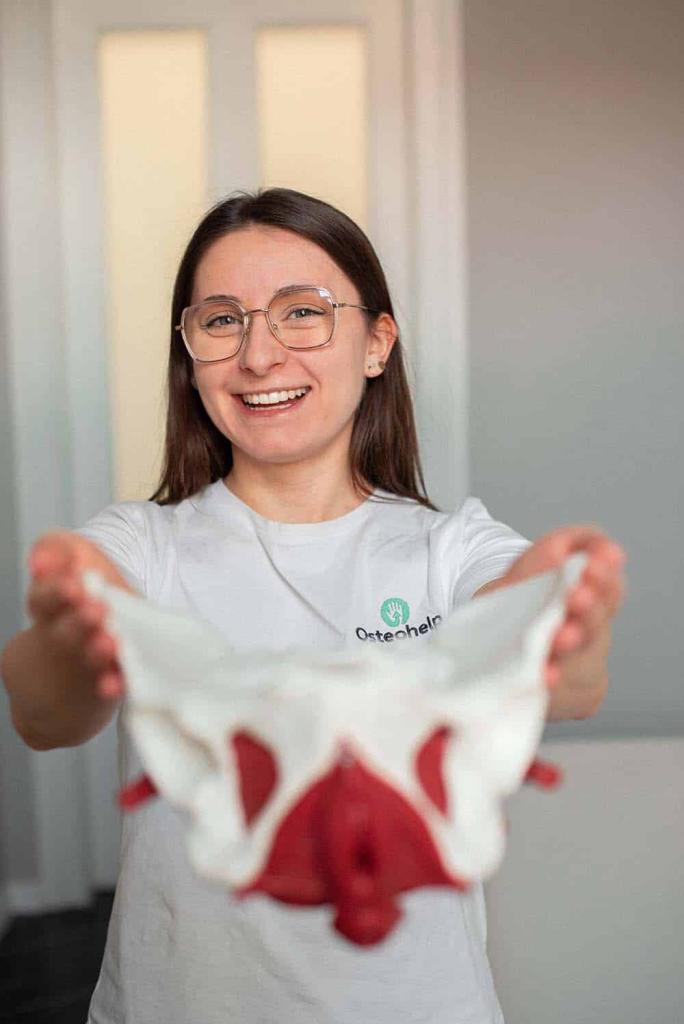
Who is urogynecological physiotherapy recommended for?
The main goal of urogynecological physiotherapy is to develop body awareness, with particular focus on building correct movement habits. Every woman is different, so an individual approach to each Patient is essential. The course of treatment may be influenced by factors such as temperament, personality, and past life experiences, including those related to prior treatment. Viewed holistically, some movement and coordination difficulties may have broader origins, which means they can be linked not only to immune-system-related issues but may also have a source in the Patient’s psychological well-being.
Urogynecological physiotherapy can be divided into specific sub-specialisations depending on the situation in which it is used. Our offer is dedicated to women who need support in treating problems such as urinary incontinence, bladder dysfunction, musculoskeletal/ligamentous/fascial complications in pre- and postoperative states, endometriosis, diastasis recti, sexual disorders, vulvodynia and vaginismus, or pelvic floor disorders. Regardless of the issue, a per vaginam examination (via the vagina) is performed only with the Patient’s consent. Disposable non-woven skirts are available in the changing area and can be worn during the examination for greater comfort.
Discover effective urogynecological therapy in Kraków! On Osteohelp you will find a detailed description of our services and learn how to improve your quality of life. If you have any questions, we warmly encourage you to contact us by phone!
Expert Urogynecological Physiotherapy Specialists in Kraków

Anna Seremak
Urogynecological physiotherapist

Sylwia Kiper
Urogynecological osteopath
OSTEOPATHY and Urogynecological physiotherapy
-
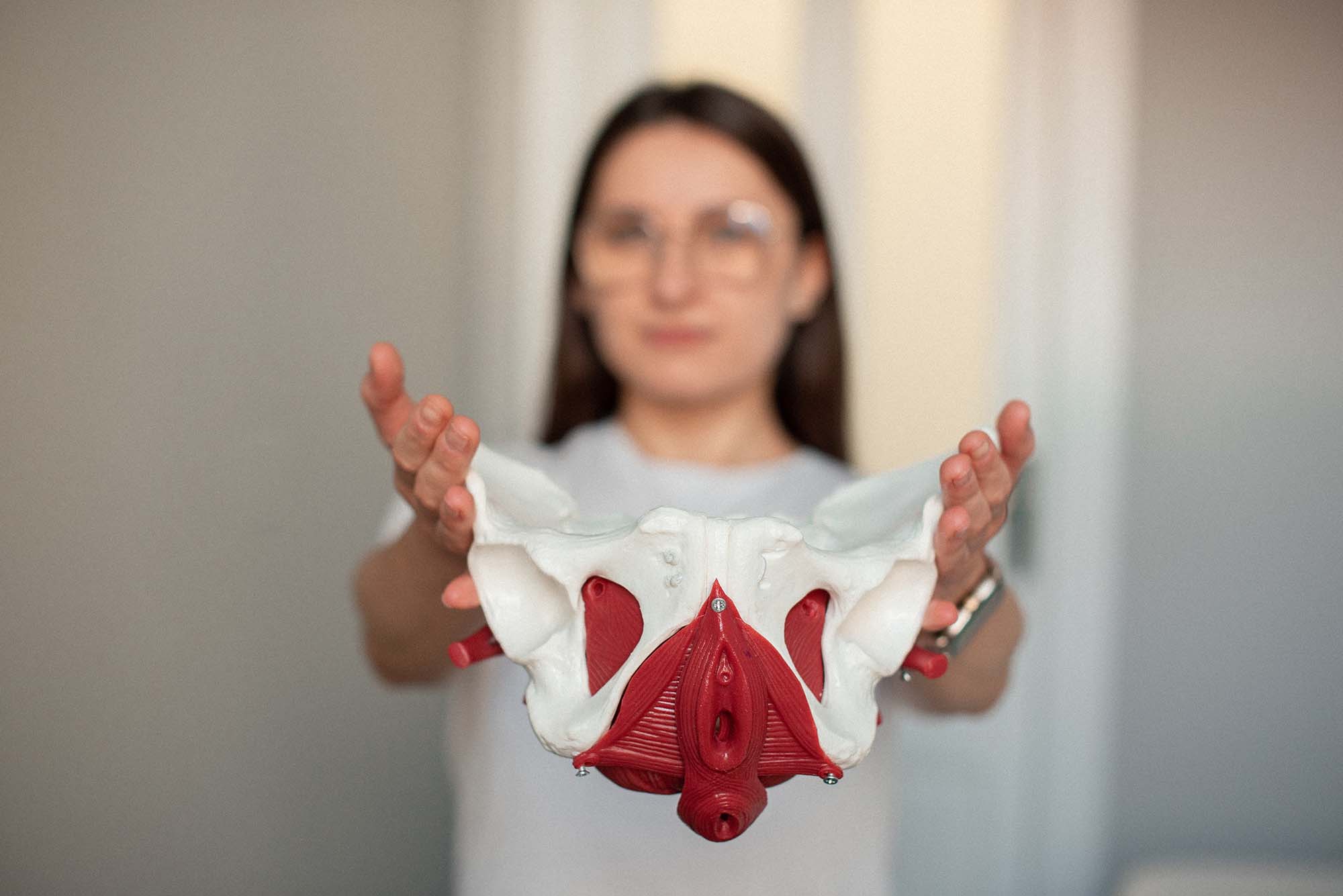
The Role of Osteopathy and Physiotherapy in Perinatal Preparation
Maintaining an active lifestyle is a fundamental pillar of health, yet many individuals find they need a powerful catalyst to commit to a regular exercise regimen. For many women, pregnancy and the preparation for childbirth serve as that vital motivation. While a physically fit body may return to its pre-pregnancy shape more efficiently, the primary…
-
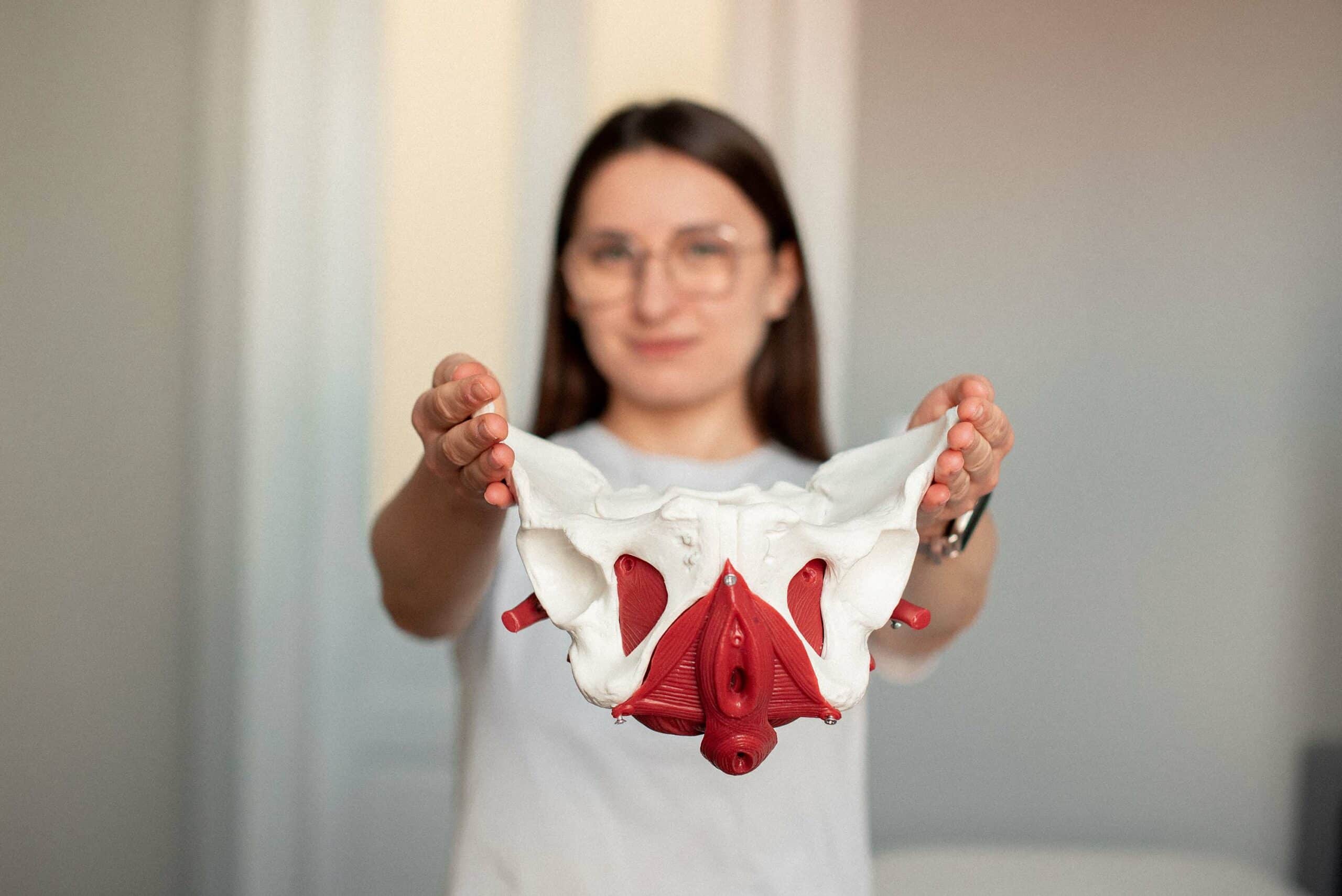
Gynecological osteopathy – how do we help with women’s ailments?
Gynecological osteopathy is a specialized and broad field of manual medicine that supports women throughout all stages of life, including the periods before, during, and after pregnancy. Because of the unique anatomical structure of the female reproductive and urogenital systems, the female body requires a highly specialized approach to treatment. Many women live with chronic…
